L-Lysine
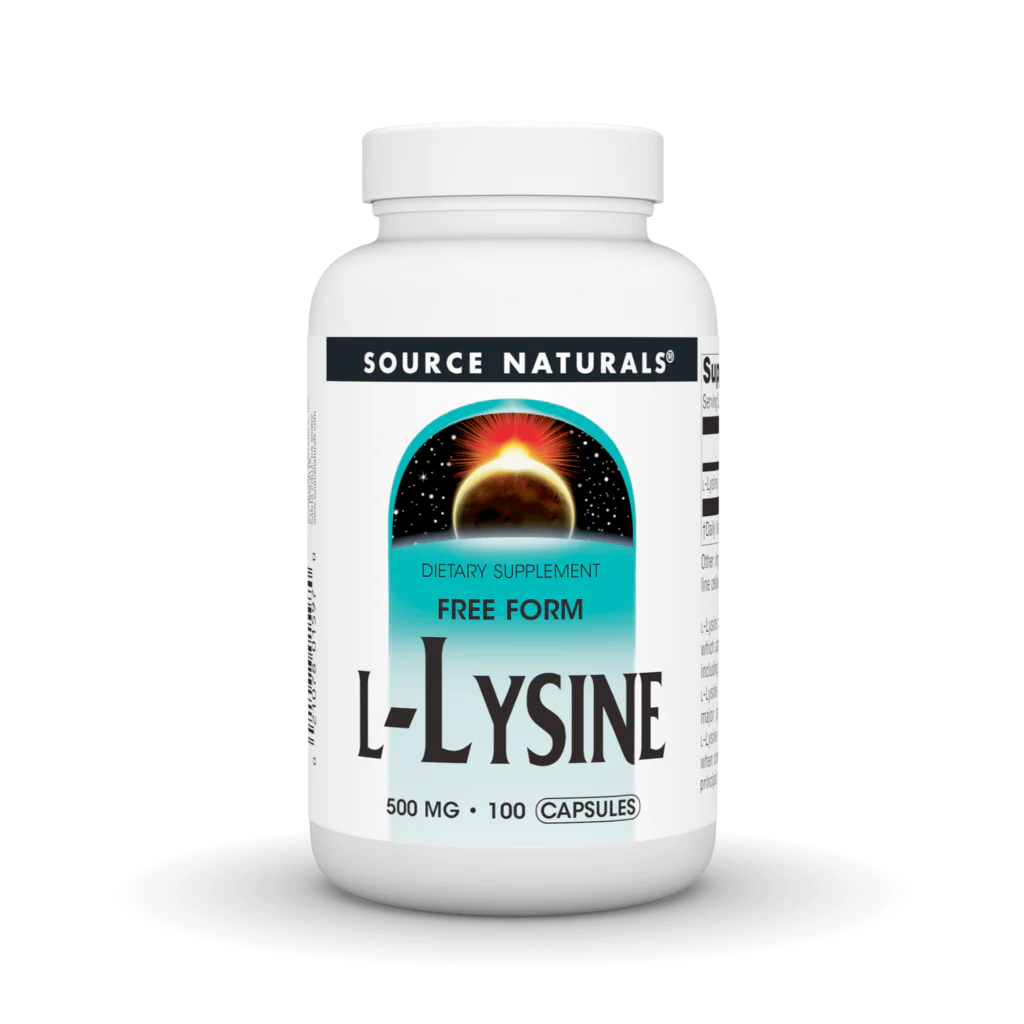
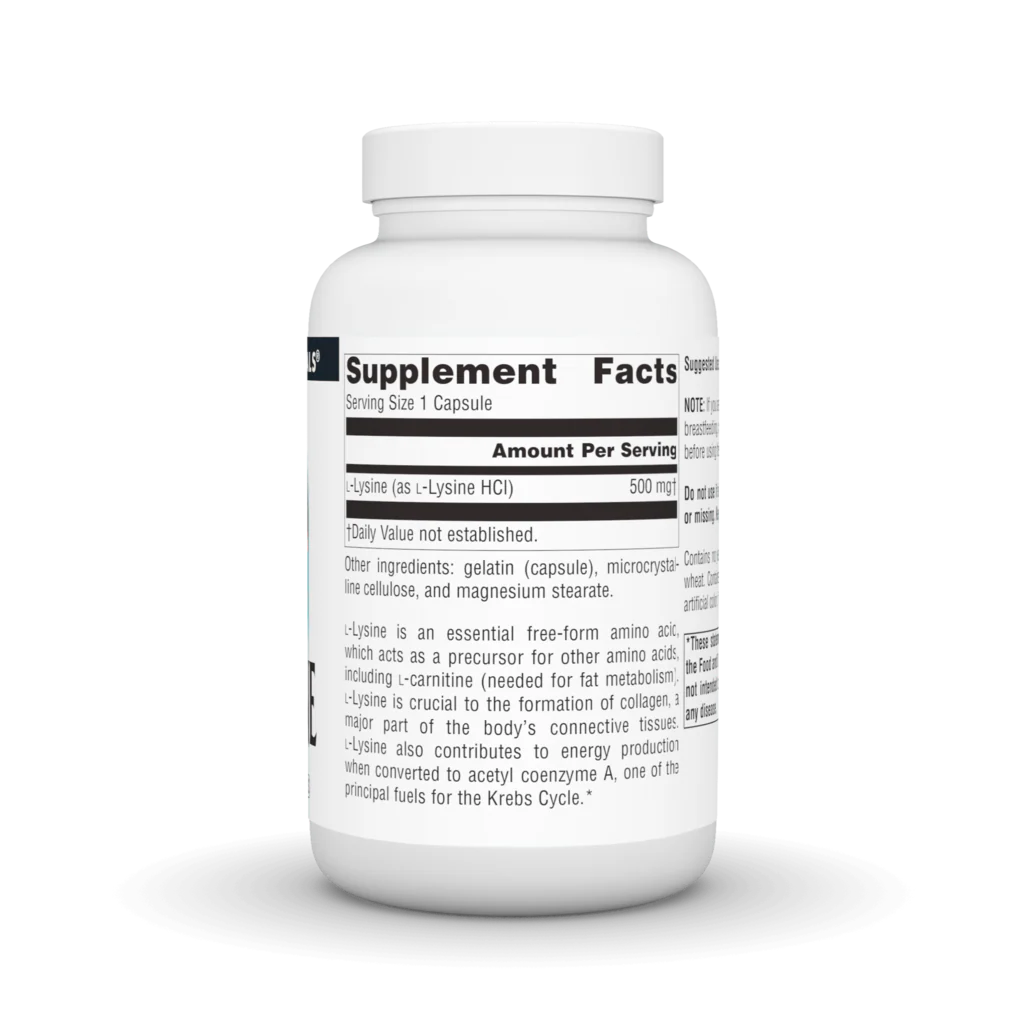
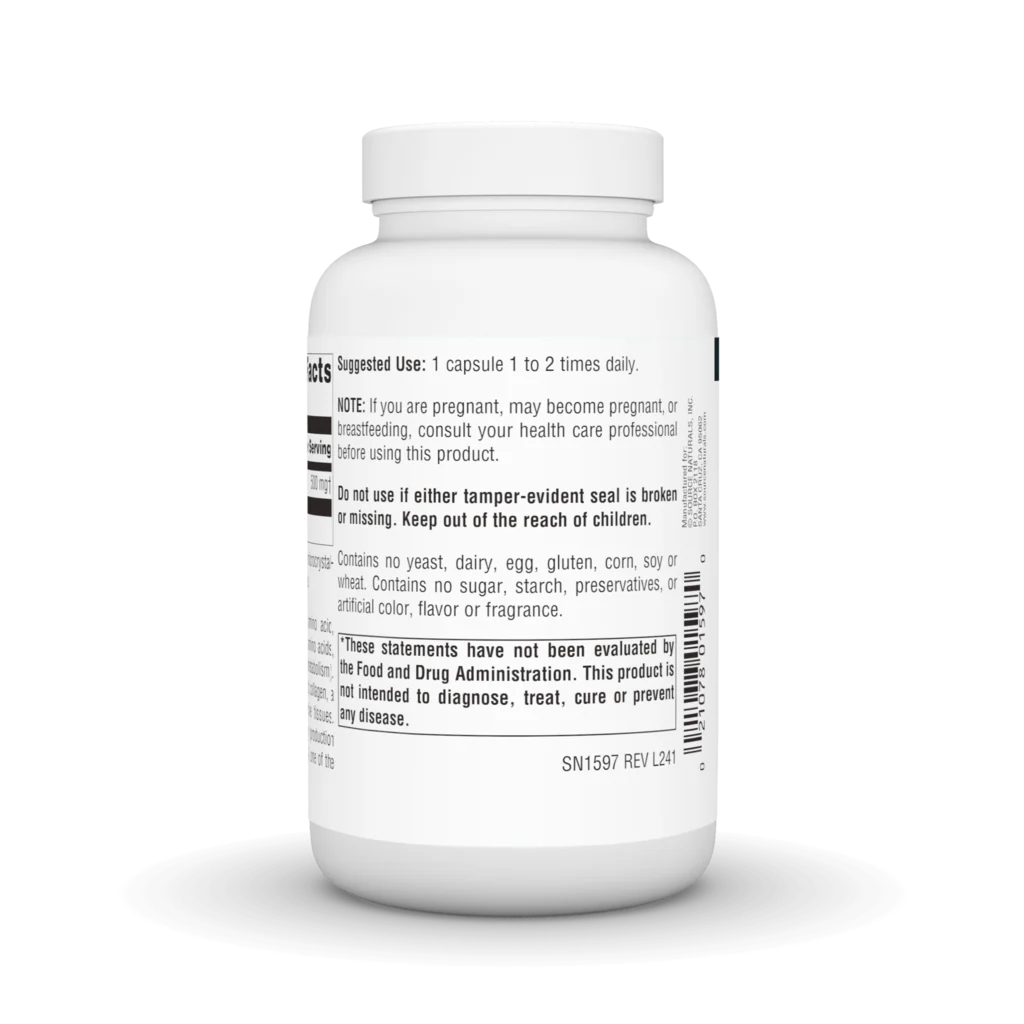
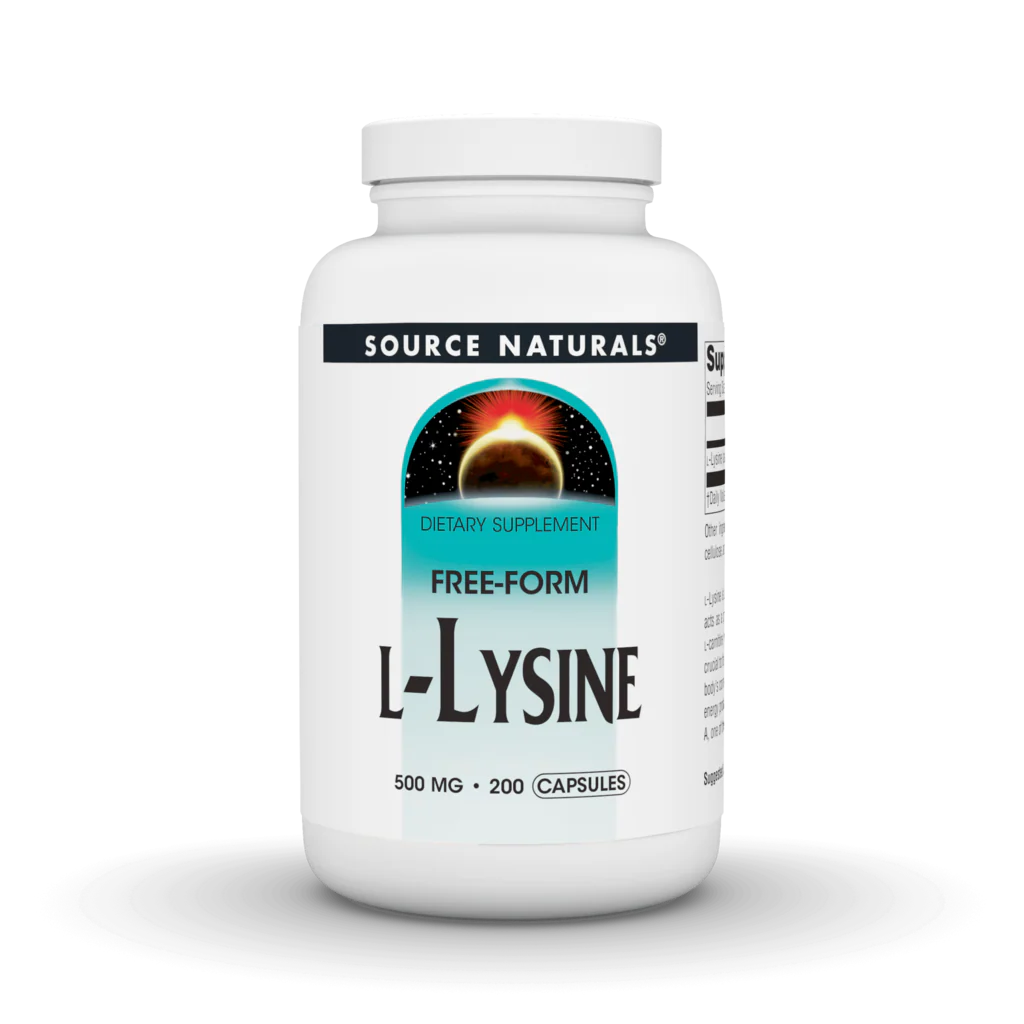
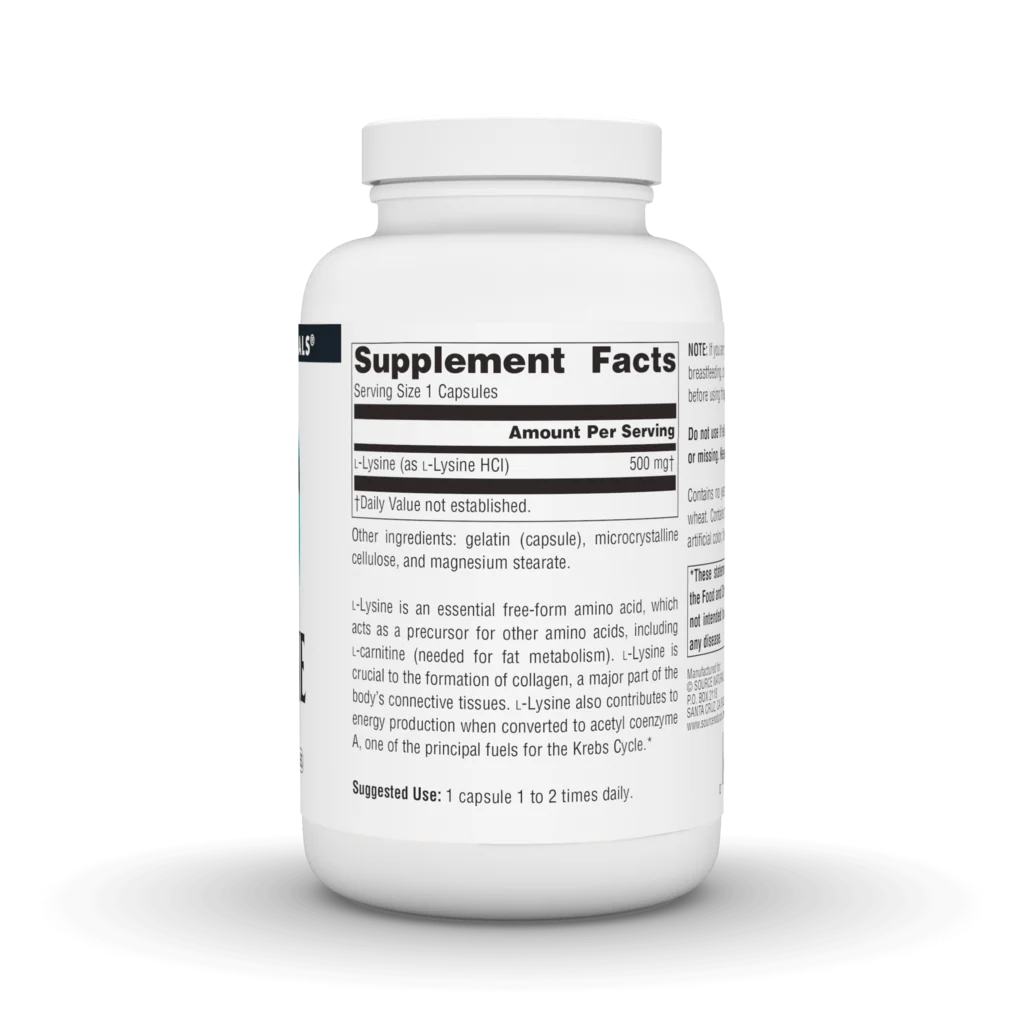
L-lysine is an essential amino acid which acts as a precursor for several other amino acids, including L-citrulline, which is needed in the body for normal protein metabolism, and L-carnitine, which is needed for fat metabolism. L-lysine is crucial for the formation of collagen, a major part of the body’s connective tissues. L-lysine also contributes to energy production when converted to acetyl coenzyme A, one of the principal fuels for the Krebs cycle.*
Select Form
Select Potency
Select Size
From $6.25
L-Lysine—
$6.25
More Images
L-Lysine
L-lysine is an essential amino acid which acts as a precursor for several other amino acids, including L-citrulline, which is needed in the body for normal protein metabolism, and L-carnitine, which is needed for fat metabolism. L-lysine is crucial for the formation of collagen, a major part of the body’s connective tissues. L-lysine also contributes to energy production when converted to acetyl coenzyme A, one of the principal fuels for the Krebs cycle.*
Product Information
Product Information
Shipping & Returns
Shipping & Returns
Description
L-lysine is an essential amino acid which acts as a precursor for several other amino acids, including L-citrulline, which is needed in the body for normal protein metabolism, and L-carnitine, which is needed for fat metabolism. L-lysine is crucial for the formation of collagen, a major part of the body’s connective tissues. L-lysine also contributes to energy production when converted to acetyl coenzyme A, one of the principal fuels for the Krebs cycle.*